Biostimulants can significantly help plants grow and survive under climate stress by stimulating natural metabolic, cellular, and root-soil processes. Rather than acting as direct fertilizers, these organic or microbial substances prime a plant's internal defenses.
How Biostimulants Help With Climate Stress
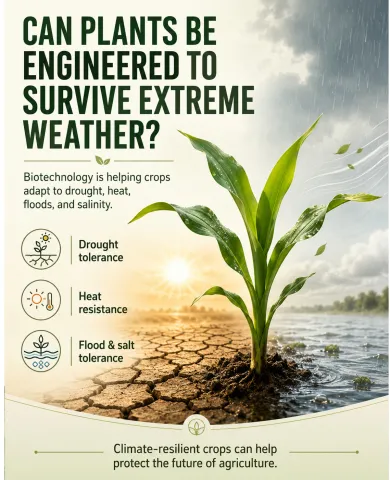
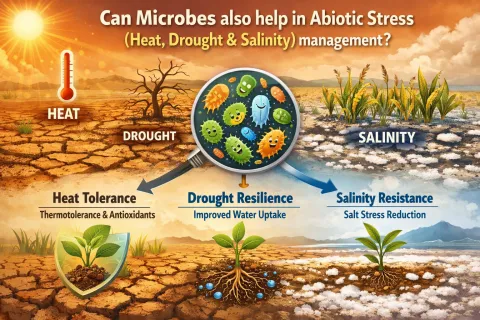
- Drought and Heat Defense: They trigger the production of antioxidants and stress proteins that protect cells and regulate water use.
- Stronger Root Systems: They increase root mass and branching to help plants explore deeper soil for moisture and nutrients.
- Recovery from Flooding: They improve soil structure and root vitality, helping crops bounce back faster from waterlogging.
- Lower Chemical Input: They boost nutrient efficiency, letting farmers reduce the amount of synthetic fertilizer used.
Types of Biostimulants
- Microbial: Arbuscular mycorrhizal fungi, plant-growth-promoting rhizobacteria, and beneficial Trichoderma fungi.
- Non-Microbial: Seaweed extracts (like Ascophyllum nodosum), humic substances, amino acids, and silicon.
- Bio-based active ingredients from biotechnology.
Q&As